
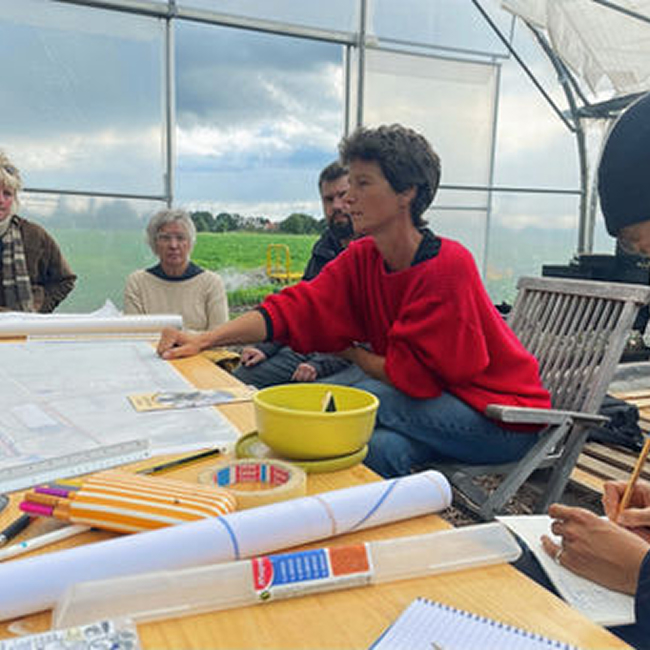
Designing a food forest is a fascinating process that requires both ecological knowledge and a deep understanding of the wishes and needs of those involved. A crucial part of this process is the client interview . This interview lays the foundation for a design that is not only functional and productive, but also aligns with the owner’s vision and dreams.
The Importance of the Customer Interview
A food forest is more than just a collection of edible plants; it’s a living system that must be in harmony with its environment and the people who use it. The customer interview serves to:
- Understanding Vision and Goals : What does the owner hope to achieve with the food forest? Is it self-sufficiency, education, conservation, or perhaps a combination of these?
- Mapping Resources and Constraints : How much time, resources and knowledge are available for construction and maintenance?
- Functional and Aesthetic Preferences to Explore : What specific plants, landscape elements, or styles does the owner have in mind
By discussing these aspects thoroughly, a clear picture emerges that serves as a guideline for the design process.
Customer Interview Structure
A structured approach ensures that all relevant topics are addressed. Below is an overview of key questions and themes that can be discussed during the interview:
1. Vision and Dream Image
- Future perspective : How do you see the food forest in 5, 10 and 20 years?
- Key Objectives : What are the primary functions of the food forest? (e.g., food production, education, recreation, biodiversity)
2. Ownership status
- Land ownership : Are you the owner, tenant or leaseholder of the land?
Land ownership : Are you the owner, tenant or leaseholder of the land?
3. Available Resources
- Time : How much time can you spend on implementation and management?
- Skills and Knowledge : What relevant experience and knowledge do you or your team have?
- Finances : What budget is available for construction and maintenance? Are there subsidies or other funding sources?
- Community Network : Are there volunteers, local organizations, or government agencies that can contribute?
4. Wishes and Needs
- Current Revenue : Which existing elements do you want to keep or remove?
- Desired Yields : What products do you want to harvest? Think of fruits, nuts, vegetables, medicinal plants, firewood, etc.
- Professional Activities : Are you considering additional activities such as education, care, rental or tours?
- Aesthetics and Recreation : Are there any specific wishes for beauty, sight lines, play options or meditation areas?
5. Conflicts and Challenges
- Current Problem Areas : Are there any aspects of the site or its use that you experience as problematic?
- Regulations : Do you have to comply with specific laws and regulations? How important is it for you to operate within these frameworks
Tips for an Effective Customer Interview
- Active Listening : Give the customer space to speak freely and show genuine interest.
- Flexibility : While a checklist helps to work in a structured manner, an open discussion can often lead to valuable insights.
- Documentation : Record responses, preferably with audio recordings (with permission) and detailed notes.
- Visualization : Use floor plans, sketches, or mood boards to make ideas tangible and avoid misunderstandings.
Conclusion
The client interview is a fundamental step in the design process of a food forest. It ensures that the final design is not only ecologically sound but also deeply rooted in the owner’s vision and needs. By devoting time and attention to this interview, you lay the foundation for a successful and sustainable food forest that serves both nature and people